Skip to content

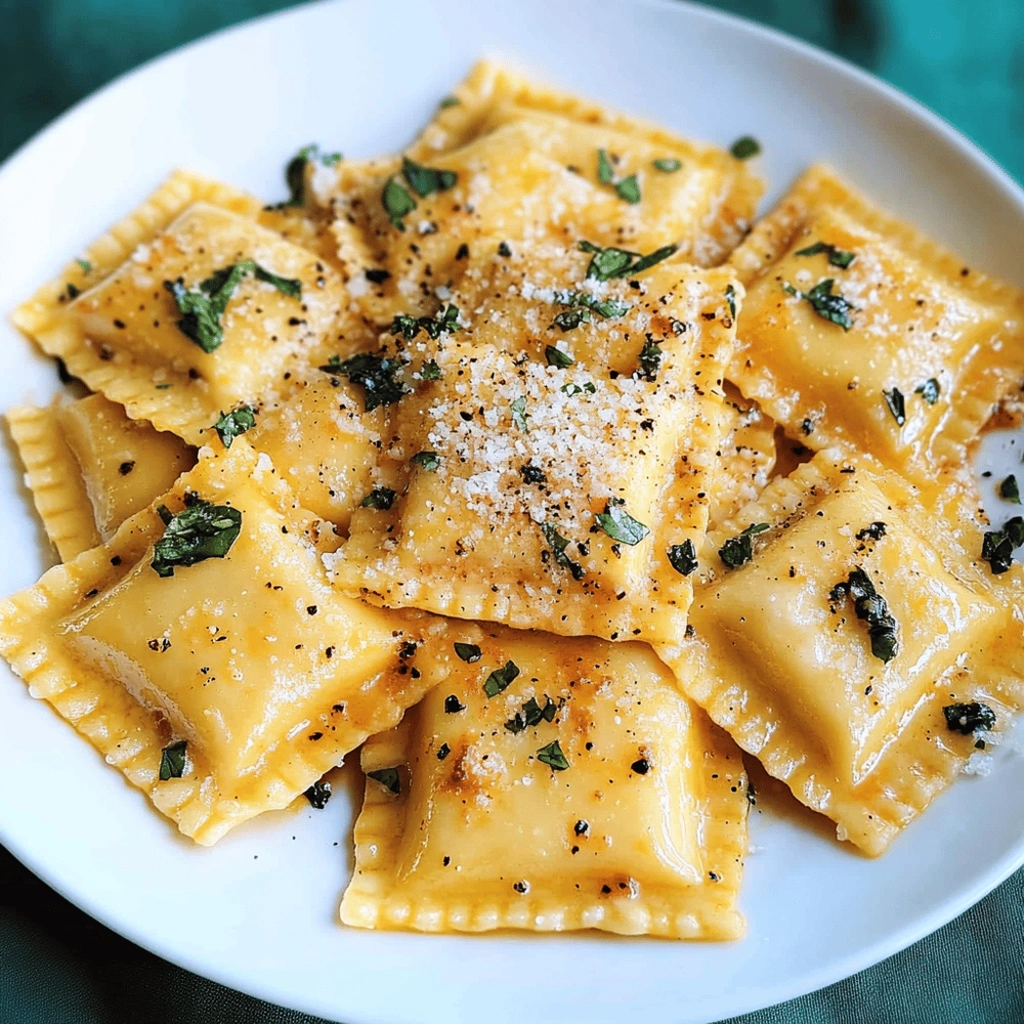
There’s something truly magical about a plate of homemade pasta. My classic butternut squash ravioli recipe brings cozy autumn flavors right to your table. Imagine tender pasta pillows filled with sweet, roasted squash and a hint of nutty Parmesan. They’re bathed in a simple, yet decadent, sage butter sauce. This dish feels elegant enough for company.
Honestly, I love making this butternut squash ravioli on a crisp fall evening. It’s also surprisingly easy to freeze portions for a quick future meal. My family always raves when I pull this one out.
Why I Love This Recipe
This butternut squash ravioli is a go-to favorite for so many reasons!
- It is surprisingly simple to whip up.
- The flavor combination is simply divine.
- It tastes like a gourmet meal.
- Yet, it is perfect for a relaxed weeknight dinner.
- Plus, it always wows guests!
This delicious butternut squash ravioli is pure comfort food.
Butternut Squash Ravioli Ingredients
The magic of this butternut squash ravioli truly lies in its uncomplicated ingredients. It’s a beautiful marriage of sweet squash, savory Parmesan, and aromatic sage. Every bite tastes like a hug.
Here’s what you’ll need:
- All-Purpose Flour: Forms the tender, yielding pasta dough.
- Large Eggs: Bind the dough together and add richness.
- Olive Oil: Contributes to a smooth, pliable pasta dough and helps roast the squash.
- Salt: Enhances all the flavors.
- Butternut Squash: The star, offering a natural sweetness and creamy texture.
- Ricotta Cheese: Adds a lovely creaminess to the filling.
- Parmesan Cheese: Brings a salty, nutty depth to both the filling and sauce.
- Nutmeg: A tiny pinch really wakes up the squash.
- Butter: Creates the luscious, golden sage butter sauce.
- Fresh Sage Leaves: Infuse the butter with their distinctive, earthy aroma.
Substitutions and Tips
Don’t have fresh sage? Dried sage works in a pinch, just use less. You can also swap ricotta for mascarpone for an even richer filling. If butternut squash is out of season, roasted sweet potato is a fantastic alternative. Remember, all the precise measurements are in the recipe card below!
How to Make Butternut Squash Ravioli
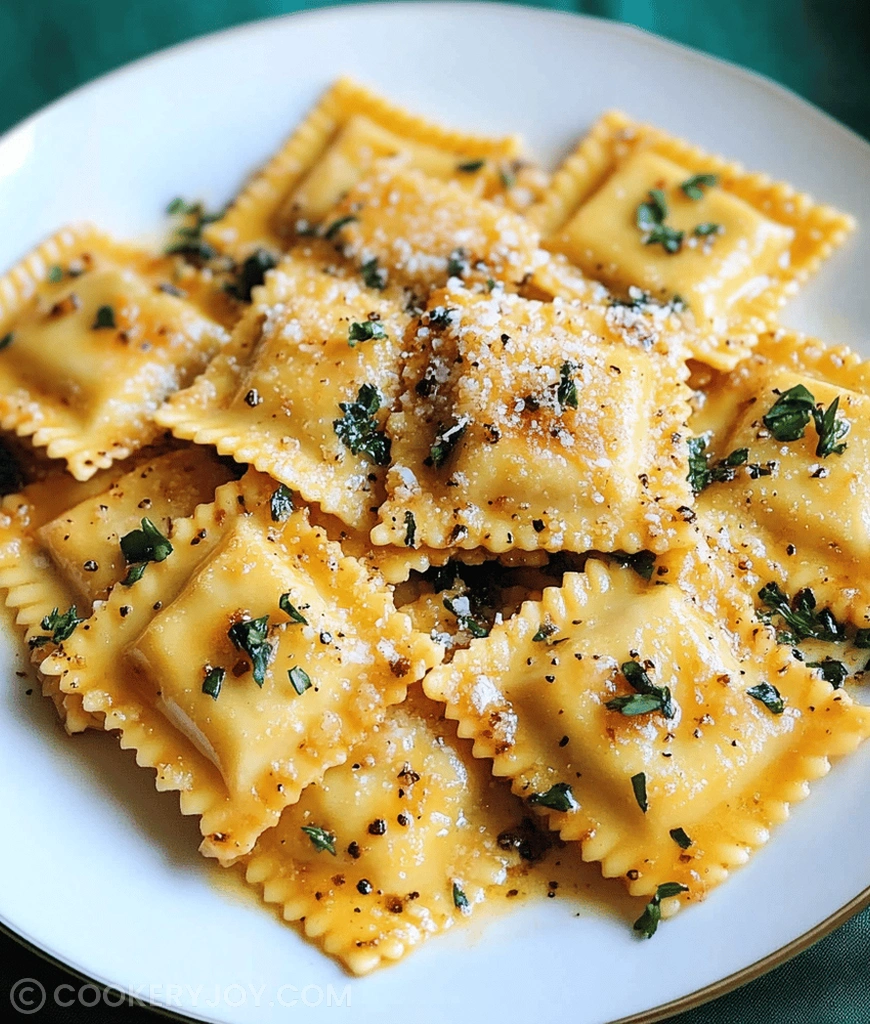
Step 1: Crafting the Pasta Dough
Let’s start with the pasta dough. It’s easier than you think!
Build a mound with your flour. Make a little well in the center. Crack your eggs right into that well. Add the olive oil and salt. Use a fork. Gently whisk the eggs. Slowly mix in flour from the edges. A shaggy dough will form. Now, knead it. Work the dough for about 8 to 10 minutes. You want it smooth. It should feel elastic. Cover the dough tightly. Let it rest for 30 minutes. This part is key.
Step 2: Roasting the Squash Filling
Next, we’ll prepare the filling. This is where the sweetness comes from.
Preheat your oven nice and hot. We’re talking 400°F (200°C). Toss your butternut squash cubes with olive oil. Sprinkle on salt and pepper. Spread them on a baking sheet. They need to roast for 20 to 25 minutes. Keep an eye on them. You want them very tender. Let them cool just a bit. Mashing the roasted squash is next. Do this in a bowl. Stir in the ricotta cheese. Add the Parmesan cheese too. A pinch of nutmeg is perfect. Mix it all until combined. Taste it. Add more seasoning if you like.
Step 3: Assembling Your Ravioli
Now for the fun part: assembly! Transforming dough and filling into ravioli takes a little care.
Divide your dough. Cut it into four equal portions. Keep the pieces you aren’t using covered. This stops them from drying out. Roll out one piece thinly. Use a pasta machine. Go to setting 7 or 8. A rolling pin works well too. Lay a pasta sheet flat. Flour the surface lightly. Place little spoonfuls of filling. Space them evenly on half the dough. Leave room between each mound. Moisten the dough edges. Wet the area between the filling too. Use a little water for this. Fold the other dough half over. Press down firmly. Seal around each filling mound. Get rid of air pockets. Use a ravioli cutter. Or simply use a knife. Cut out your individual ravioli. Place them on a floured baking sheet. Repeat with the remaining dough and filling. You’re making great homemade ravioli!
Step 4: Cooking and Saucing
Almost there! It’s time to cook and dress your beautiful butternut squash ravioli.
Bring a large pot. Add plenty of salted water. Get it to a rolling boil. Carefully add your ravioli. Cook them in batches. Don’t crowd the pot. They only need 3 to 4 minutes. They will float when done. They should be al dente. While they cook, make the sauce. Melt the butter in a large skillet. Use medium heat. Add the fresh sage leaves. Cook until the butter browns lightly. Watch the sage turn crispy. Be careful! Don’t burn the butter. Use a slotted spoon. Transfer cooked ravioli directly. Move them into the sage butter sauce. Toss gently. Coat each ravioli well. Serve them right away. Top with extra Parmesan cheese. Enjoy your exquisite butternut squash ravioli!
How to Store Butternut Squash Ravioli
Leftover butternut squash ravioli can be stored. Keep them in an airtight container in the refrigerator. They should last for up to 3 days. For longer storage, freeze the uncooked ravioli. Place them on a floured baking sheet. Freeze until solid. Then, transfer to a freezer bag. Frozen ravioli cook directly from frozen. Add a minute or two to the cooking time. This makes future meals a breeze.
Tips for Success
- Knead dough well.
- Rest the dough properly.
- Don’t overstuff ravioli.
- Remove air pockets for good seals.
- Cook in batches.
- Watch the butter carefully.
Kitchen Tools You’ll Need
You’ll need a few key tools for this wonderful butternut squash ravioli.
- A rolling pin or pasta machine.
- A baking sheet for roasting.
- A large pot for boiling.
- A skillet for the sage butter sauce.
- A fork, bowl, and knife.
Serving Suggestions
- Serve with a crisp green salad.
- Offer a light white wine.
- Garnish with toasted walnuts.
- A sprinkle of red pepper flakes adds a nice kick.
- Present with extra Parmesan cheese.

Frequently Asked Questions
Can I make the butternut squash ravioli dough ahead of time?
Yes, you can absolutely make the pasta dough a day in advance. Wrap it tightly in plastic wrap and store it in the refrigerator. This makes assembling your butternut squash ravioli even quicker later on.
What if I don’t have a pasta machine for the ravioli?
No worries! A traditional rolling pin works perfectly. You’ll want to roll the dough out as thinly as you can. Aim for a thickness where you can almost see your hand through it for the best homemade ravioli.
Can I use pre-made butternut squash puree instead of roasting fresh squash?
Certainly! For a time-saving swap, you can use about 1.5 cups of thick, good-quality pre-made butternut squash puree. Just ensure it isn’t watery, as that can affect the filling consistency for your delicious butternut squash ravioli.
How do I prevent my ravioli from sticking together when cooking?
The key is to cook your butternut squash ravioli in plenty of boiling, salted water. Also, cook them in batches. Giving them space prevents them from clumping up. A gentle stir once they float can also help.
Print
Butternut Squash Ravioli
- Prep Time: 45 minutes
- Cook Time: 30 minutes
- Total Time: 1 hour 15 minutes
- Yield: 4-6 servings
- Category: Main Course
- Method: Boiling, Roasting, Pan-frying
- Cuisine: Italian-American
- Diet: Vegetarian
Description
A classic homemade butternut squash ravioli recipe with a rich sage butter sauce.
Ingredients
- For the Dough:
- 2 cups all-purpose flour
- 3 large eggs
- 1 tablespoon olive oil
- 1/2 teaspoon salt
- For the Filling:
- 2 cups cubed butternut squash (about 1 small squash)
- 1 tablespoon olive oil
- 1/2 teaspoon salt
- 1/4 teaspoon black pepper
- 1/4 cup ricotta cheese
- 1/4 cup grated Parmesan cheese
- Pinch of nutmeg
- For the Sauce (Sage Butter Sauce):
- 1/2 cup unsalted butter
- 12–15 fresh sage leaves
- 1/4 cup grated Parmesan cheese (for serving)
Instructions
- For the Dough: On a clean surface, create a mound with the flour. Make a well in the center. Crack the eggs into the well, add olive oil and salt. Use a fork to gently whisk the eggs, gradually incorporating flour from the edges until a shaggy dough forms. Knead for 8-10 minutes until smooth and elastic. Cover with plastic wrap and let rest for 30 minutes.
- For the Filling: Preheat oven to 400°F (200°C). Toss butternut squash cubes with olive oil, salt, and pepper. Spread on a baking sheet and roast for 20-25 minutes, or until very tender. Let cool slightly.
- Mash the roasted squash in a bowl. Stir in ricotta cheese, Parmesan cheese, and nutmeg until well combined. Adjust seasoning if needed.
- Assembling Ravioli: Divide the dough into 4 equal pieces. Work with one piece at a time, keeping others covered. Roll out the dough very thinly using a pasta machine or rolling pin (to setting 7 or 8 on most machines).
- Lay a pasta sheet on a lightly floured surface. Place small dollops (about 1 teaspoon) of filling evenly spaced on one half of the dough, leaving space between them. Moisten the edges of the dough and between the filling mounds with a little water.
- Fold the other half of the dough over the filling. Press firmly around each mound of filling to seal, removing any air bubbles. Use a ravioli cutter or knife to cut out individual ravioli. Place on a lightly floured baking sheet and repeat with remaining dough and filling.
- Cooking Ravioli: Bring a large pot of salted water to a rolling boil. Add ravioli in batches and cook for 3-4 minutes, or until they float to the surface and the pasta is al dente.
- For the Sauce: While ravioli cooks, melt butter in a large skillet over medium heat. Add sage leaves and cook until butter is lightly browned and sage is crispy (be careful not to burn).
- Using a slotted spoon, transfer cooked ravioli directly from the pot to the skillet with the sage butter sauce. Toss gently to coat.
- Serve immediately, garnished with extra grated Parmesan cheese.
Notes
- Ensure the pasta dough is well-kneaded and rested for optimal texture.
- Don’t overfill the ravioli to prevent them from breaking during cooking.
- Be careful not to burn the butter or sage when making the sauce.
- Cook ravioli in batches to avoid overcrowding the pot, which can lead to sticking and uneven cooking.