Skip to content

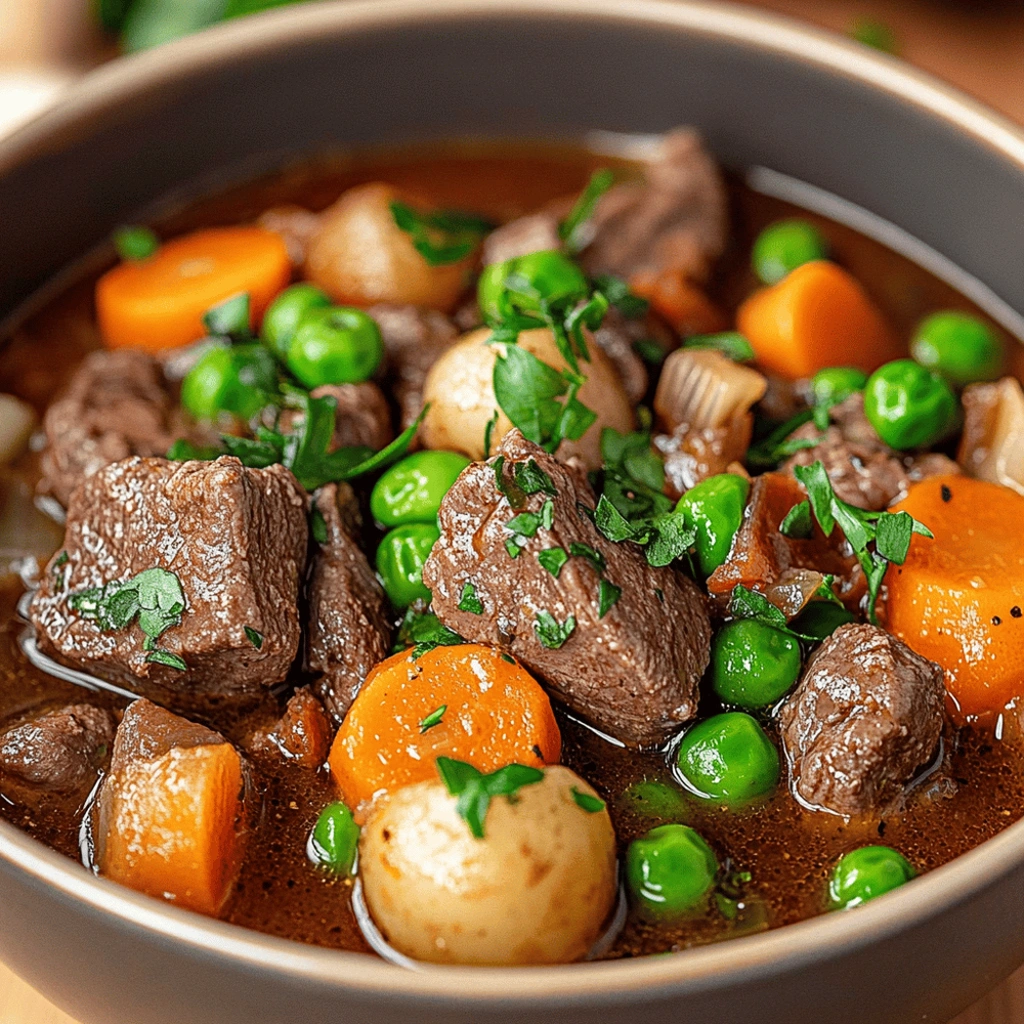
There is something truly magical about a slow-cooked meal. This Red Wine Beef Stew recipe delivers pure comfort. The beef becomes incredibly fork-tender. Its deep, rich flavor is simply irresistible on a chilly evening. Every spoonful is a warm hug.
I love making this stew on a lazy Sunday afternoon. It fills the house with a wonderful aroma while it simmers. Plus, it tastes even better the next day. It’s a perfect dish to share with family and friends.
Why I Love This Red Wine Beef Stew
This truly is a favorite for so many reasons! It’s surprisingly simple to prepare, yet tastes like it took all day. The depth of flavor from the red wine is amazing. It’s perfect for those busy weeknights when you crave something hearty. You can even prep it ahead! It always impresses guests. Plus, it’s the ultimate comfort food. This robust red wine beef stew always hits the spot.
Red Wine Beef Stew Ingredients
The real magic of this Red Wine Beef Stew starts with its humble ingredients. They come together to create something truly special. This hearty stew is all about rich flavors and tender textures.
Here’s what you’ll need:
- Olive Oil: Just a little bit to get things started. We use it to brown the beef and sauté our veggies.
- Beef Chuck: This cut is perfect for stewing. It becomes wonderfully tender during the long cooking time.
- Onion, Carrots, and Celery: These aromatic vegetables form the flavor base. They add sweetness and depth.
- Garlic: Because what’s a savory dish without garlic? It adds that essential punch of flavor.
- All-Purpose Flour: This helps thicken our rich stew gravy. It coats everything beautifully.
- Dry Red Wine: This is the star! It adds amazing flavor complexity. It also helps tenderize the beef.
- Beef Broth: This provides the liquid base for our stew. It adds more savory beef notes.
- Diced Tomatoes: They bring a touch of acidity and brightness. They also add wonderful texture.
- Tomato Paste: This little powerhouse deepens the tomato flavor. It adds a nice umami boost.
- Dried Thyme and Bay Leaves: These herbs lend classic stew flavors. They infuse the broth beautifully.
- Small Red Potatoes: These soak up all the delicious stew juices. They cook until perfectly tender.
- Salt and Black Pepper: To season everything just right.
- Fresh Parsley: For a pop of color and freshness at the end.
Substitutions and Tips
Don’t have fresh thyme? Dried thyme works great, too. You can also swap in rosemary for a different herbaceous note. If red wine isn’t your thing, extra beef broth is a good substitute, though it will change the flavor profile a bit. Feel free to add other root vegetables like parsnips. They make a delicious addition to this already hearty red wine beef stew.
How to Make Red Wine Beef Stew
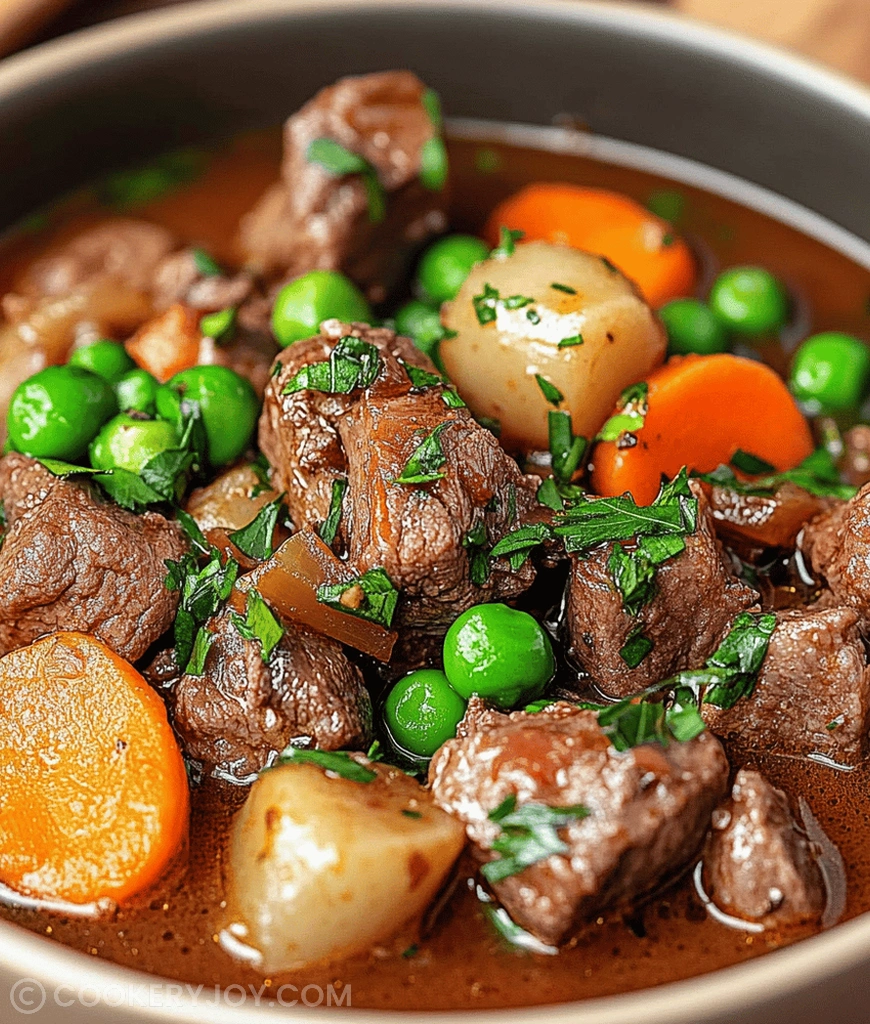
Making this robust red wine beef stew is a rewarding culinary journey. Follow these simple steps. You’ll create a dish that’s both comforting and deeply flavorful. I’ll guide you through each stage. The result will be a tender, rich stew you’ll make again and again.
Step 1: Prepare and Brown the Beef
Begin by patting your beef cubes very dry. Use paper towels for this. Season them generously with salt and pepper. Heat one tablespoon of olive oil. Use a large Dutch oven or a heavy-bottomed pot. Get it nice and hot over medium-high heat. Brown the beef in batches. Do this on all sides. It should take about 3 to 4 minutes per batch. Don’t overcrowd the pot. This ensures a good sear. Remove the browned beef. Set it aside on a plate.
Step 2: Sauté the Vegetables
Add the remaining tablespoon of olive oil to the same pot. Toss in your chopped onion, carrots, and celery. Cook these until they start to soften. This usually takes about 5 to 7 minutes. Add the minced garlic next. Cook for just one more minute. You want it to become fragrant.
Step 3: Thicken the Base
Sprinkle the all-purpose flour over the softened vegetables. Stir it around for one minute. This will coat the veggies nicely. It also helps thicken our stew later.
Step 4: Deglaze with Red Wine
Pour in the dry red wine. Use a wooden spoon. Scrape up any browned bits stuck to the bottom of the pot. These bits are full of flavor. Let the wine simmer. Cook it for about 2 to 3 minutes. You want it to reduce slightly.
Step 5: Combine and Simmer
Return the browned beef to the pot. Pour in the beef broth. Stir in the diced tomatoes and tomato paste. Add the dried thyme and bay leaves. Stir everything gently to combine. Bring the mixture to a simmer. This means small bubbles will appear. You are building the base for our hearty stew.
Step 6: Slow Cook to Tenderness
Reduce the heat to low. Cover the pot tightly. Let the stew cook for 1.5 hours. Check during this time. The beef should be getting tender. This slow simmering is key to a great red wine beef stew.
Step 7: Add Potatoes and Finish Cooking
Now, add the small red potatoes directly into the pot. Stir them in gently. Re-cover the pot. Continue to cook. Let it simmer for another 30 to 45 minutes. Keep cooking until both the beef and potatoes are fork-tender. This means they are easily pierced with a fork.
Step 8: Final Touches
Carefully remove and discard the bay leaves. Taste the stew. Adjust the salt and black pepper as needed. Now your delicious red wine beef stew is ready.
Print
Red Wine Beef Stew
- Prep Time: 25 minutes
- Cook Time: 2 hours 30 minutes
- Total Time: 2 hours 55 minutes
- Yield: 6-8 servings
- Category: Main Course
- Method: Stovetop to Oven (optional)
- Cuisine: American
- Diet: None
Description
A hearty and flavorful beef stew braised in red wine with tender vegetables.
Ingredients
- 2 tbsp olive oil
- 2 lbs beef chuck, cut into 1 1/2-inch cubes
- 1 large onion, chopped
- 3 carrots, peeled and cut into 1-inch pieces
- 3 celery stalks, cut into 1-inch pieces
- 4 cloves garlic, minced
- 2 tbsp all-purpose flour
- 1 1/2 cups dry red wine (e.g., Cabernet Sauvignon, Merlot)
- 2 cups beef broth
- 1 (14.5-ounce) can diced tomatoes, undrained
- 2 tbsp tomato paste
- 1 tsp dried thyme
- 2 bay leaves
- 1 lb small red potatoes, halved or quartered
- Salt and black pepper to taste
- Fresh parsley, chopped, for garnish
Instructions
- Pat beef cubes dry with paper towels and season generously with salt and pepper.
- Heat 1 tbsp olive oil in a large Dutch oven or oven-safe pot over medium-high heat. Brown the beef in batches on all sides, about 3-4 minutes per batch. Remove beef and set aside.
- Add the remaining 1 tbsp olive oil to the pot. Add onion, carrots, and celery and cook until softened, about 5-7 minutes. Add garlic and cook for 1 minute more until fragrant.
- Sprinkle flour over the vegetables and stir for 1 minute to coat.
- Pour in red wine, scraping up any browned bits from the bottom of the pot. Bring to a simmer and cook for 2-3 minutes until slightly reduced.
- Return beef to the pot. Stir in beef broth, diced tomatoes, tomato paste, thyme, and bay leaves. Bring to a simmer.
- Reduce heat to low, cover, and cook for 1.5 hours, or until beef is nearly tender.
- Add potatoes to the pot. Stir gently. Re-cover and continue to cook for another 30-45 minutes, or until beef and potatoes are fork-tender.
- Remove bay leaves. Taste and adjust seasonings if needed.
- Serve hot, garnished with fresh parsley.
Notes
- For a richer flavor, allow the stew to rest overnight in the refrigerator before reheating and serving.
- You can substitute other root vegetables like parsnips or turnips for some of the potatoes.
- Ensure the beef is browned in batches to avoid overcrowding the pot, which can lead to steaming instead of browning.
How to Store Red Wine Beef Stew
This hearty Red Wine Beef Stew keeps beautifully. Store leftovers in an airtight container. Refrigerate for up to 3-4 days. The flavors actually get better! For longer storage, freeze it. Let the stew cool completely. Then, transfer it to freezer-safe containers or bags. It will last in the freezer for about 2-3 months.
Tips for Success
- Ensure beef is dry before browning. This creates a better sear.
- Don’t overcrowd the pot when browning beef. Work in batches.
- Scrape the bottom of the pot when adding wine. This adds deep flavor.
- Taste and adjust seasoning at the end. This is crucial for flavor.
- Using a Dutch oven is ideal. It distributes heat evenly.
- Low and slow simmering makes the beef tender. Patience is key for this stew.
Kitchen Tools You’ll Need
- A large Dutch oven or heavy pot. Use a large stockpot if you don’t have one.
- Measuring cups and spoons. Use regular kitchen utensils for measuring.
- A cutting board and knife. For prepping vegetables and beef.
- Wooden spoon. For stirring and scraping.
- Paper towels. For drying the beef.
Serving Suggestions
- This hearty Red Wine Beef Stew is wonderful on its own.
- Serve with crusty bread. It’s perfect for soaking up the rich gravy.
- A simple green salad offers a fresh contrast.
- Enjoy with a glass of the same red wine used in the stew.
- Garnish with fresh parsley for a beautiful finish.

Frequently Asked Questions
Can I make this Red Wine Beef Stew ahead of time?
Absolutely! This stew is a fantastic make-ahead option. In fact, the flavors meld and deepen overnight. Simply cool it completely after cooking. Then store it in the refrigerator. Reheat gently on the stovetop or in the oven. It’s even better the next day!
What kind of red wine is best for this stew?
For this Red Wine Beef Stew, a dry red wine like Cabernet Sauvignon, Merlot, or Pinot Noir works wonderfully. You want a wine with good flavor but not overly sweet. Avoid using wines that are too expensive or that you wouldn’t enjoy drinking on their own. The alcohol cooks off, leaving behind a wonderful depth of flavor.
Can I use a different cut of beef instead of chuck?
While beef chuck is ideal for its richness and tenderness when slow-cooked, you can use other cuts. Brisket or beef round, cut into stew-sized pieces, can also work well. Just be mindful that cooking times might vary slightly. The goal is a cut that can withstand long, slow braising.
How can I thicken the stew if it’s too thin?
If your Red Wine Beef Stew isn’t as thick as you’d like, try this simple trick. In a small bowl, whisk together a tablespoon of cornstarch with two tablespoons of cold water. Stir this slurry into the simmering stew. Let it cook for a few more minutes until it thickens. You can also remove the lid and simmer gently for a bit longer to allow some liquid to evaporate.