Skip to content

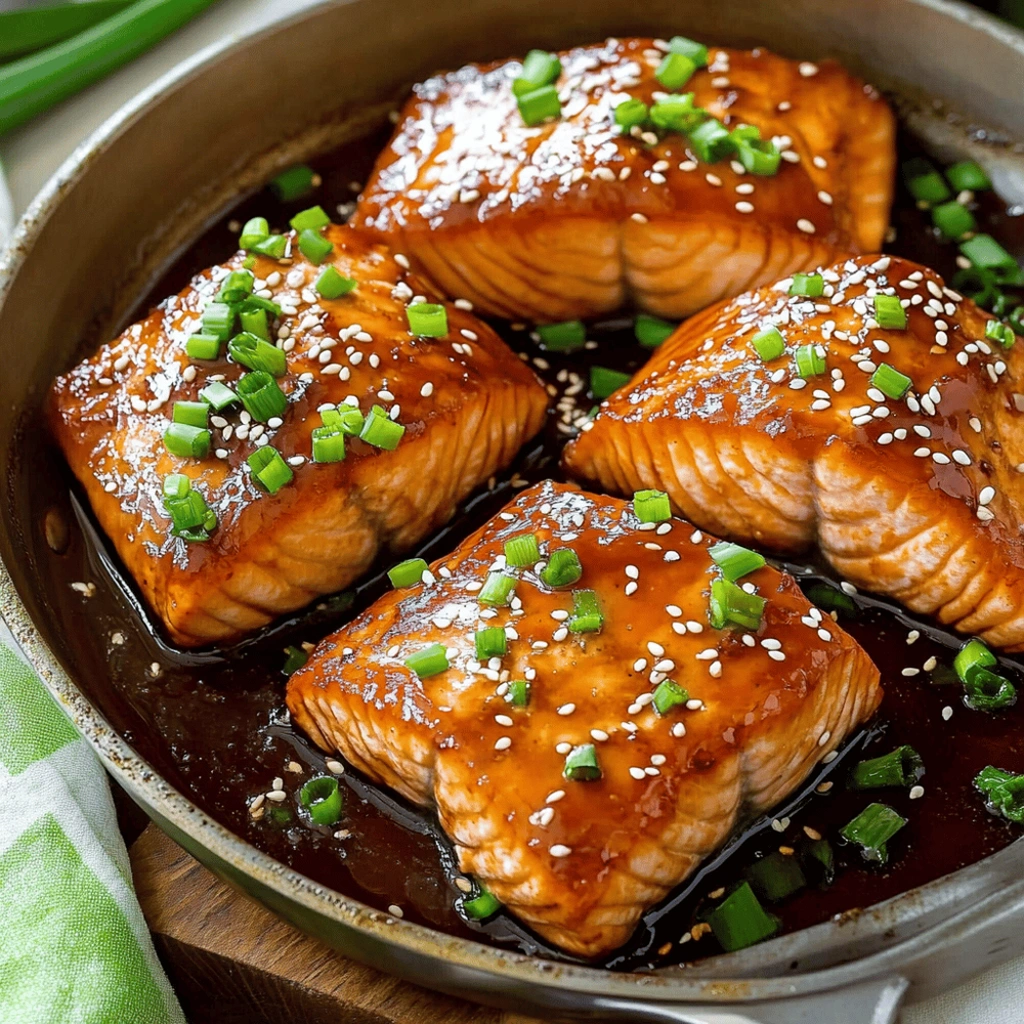
This Teriyaki Salmon Recipe brings takeout perfection right to your kitchen counter. I find that the combination of salty soy and sweet brown sugar creates a glaze that caramelizes beautifully. The resulting salmon is wonderfully moist inside yet beautifully seared outside. This easy salmon delivers huge impact with minimal cleanup. It quickly became a family favorite here, honestly.
Because this meal comes together so fast, I often rely on it for those hectic Tuesday evenings. Leftovers reheat surprisingly well, too! Furthermore, even my sometimes-picky youngest asks for this pan-seared salmon often. It truly proves that flavorful dinners do not need hours of fuss.
Why I Love This Recipe
I champion this simple Teriyaki Salmon Recipe often. It ticks every box for busy home cooks. First, the prep time is ridiculously short. Seriously, it takes almost no time at all. Second, the flavor profile is universally loved by everyone at my table. And finally, it feels like a special occasion meal without the effort involved. It truly shines on a busy weeknight.
Teriyaki Salmon Recipe Ingredients
The magic in this simple and flavorful Teriyaki Salmon Recipe comes from balancing sweet, savory, and pungent notes. The components harmonize beautifully, coating the rich salmon fillets perfectly. We are creating a classic Japanese-inspired sauce right in your home kitchen easily.
Here are the stars of the show. Remember, quantities are waiting for you on the printable card later on!
- Salmon Fillets: These are our main event, providing healthy fats and protein.
- Soy Sauce: Establishes the essential salty, umami base for the teriyaki.
- Mirin and Sake: These bring complexity and sweetness, balancing the saltiness perfectly.
- Brown Sugar: Helps create that glorious, sticky, caramelized glaze.
- Ginger and Garlic: These aromatics give the sauce its signature pungent warmth.
- Cornstarch Slurry: This simple thickener ensures the sauce clings beautifully to the fish.
Substitutions and Tips
If you skip the sake, dry sherry works fine in a pinch. Are you watching sodium intake? Please use low-sodium soy sauce. For an extra flavor punch, try adding a tiny splash of toasted sesame oil to the marinade itself. If you do not have fresh ginger, dried ginger powder works, but use just a pinch. Store any leftover sauce separately in the fridge.
How to Make Teriyaki Salmon Recipe
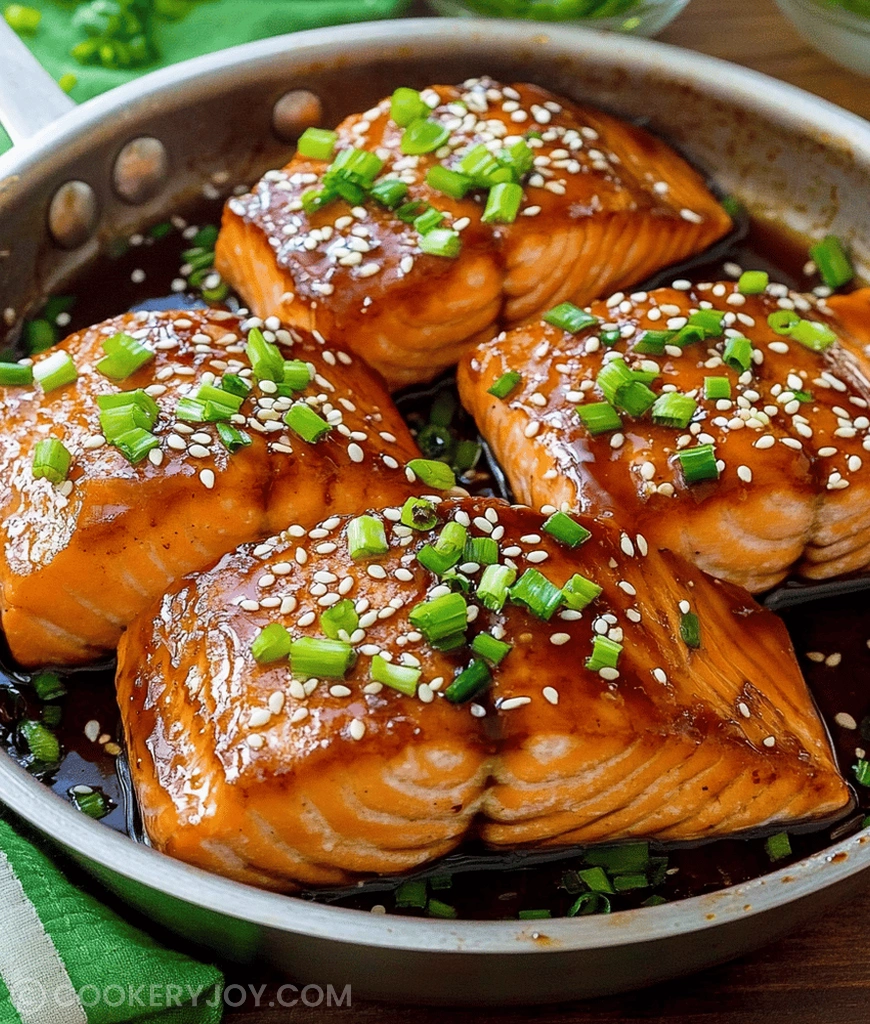
Step 1: Prepare the Sauce Base
Take a medium bowl to start things off right. You need to whisk together the soy sauce and mirin. Add the sake next, along with the brown sugar. Next, stir in the fresh grated ginger and the minced garlic cloves. This mixture becomes your heavenly marinade and cooking sauce base. Remember to reserve half of this glorious liquid later.
Step 2: Marinate the Salmon
Place your salmon fillets into a shallow dish. Pour about half of that prepared teriyaki sauce right over top of them. Pop the dish into the refrigerator now. Marinate them for just fifteen to thirty minutes maximum. Do not let them sit too long, please. Too much time makes the fish texture mushy easily.
Step 3: Sear for Crispy Skin
Heat some sesame oil in a roomy non-stick skillet. Keep the heat set to medium-high heat initially. Take the salmon from its marinade bath. Pat the fillets very dry with paper towels gently. If the skin is on, sear the salmon skin-side down first for about four minutes. Flip carefully, then cook for three to five more minutes.
Step 4: Finish Cooking and Check Temperature
Continue cooking until the salmon flakes fork-tender. You are aiming for an internal temperature of 145 degrees Fahrenheit (63 degrees Celsius). Once cooked through, remove the fish from the hot pan. Set those beautiful fillets aside safely. They are waiting for their sauce topping soon.
Step 5: Thicken the Reserved Sauce
Grab a small saucepan for the reserved teriyaki liquid. Bring this reserved sauce to a nice simmer there. Whisk in your prepared cornstarch slurry slowly. Keep stirring constantly while it warms up. Watch as the sauce thickens nicely to what you desire. This step seals the deal on a great Teriyaki Salmon Recipe.
Step 6: Glaze and Serve
Plate your perfectly cooked salmon fillets now. Spoon that thick, glossy teriyaki sauce generously over everything. If you want that finishing bakery touch, sprinkle sesame seeds. Add some brightly chopped green onions too. Serve this wonderful dish immediately with steamed veggies or white rice for a complete meal.
How to Store Teriyaki Salmon Recipe
Storing this tasty salmon is simple for leftovers. Keep cooked salmon in an airtight container in the refrigerator. It stays fresh for about three days comfortably. For longer storage, freezing works well. Wrap each fillet tightly first. Frozen salmon lasts up to one month in the freezer. Thaw overnight in the fridge before reheating gently. This maximizes the flavor retention in your easy salmon.
Tips for Success
- Always use low-sodium soy sauce first. This helps control the final saltiness level.
- Patting the skin dry is key for that great crispy texture. Do not skip this step!
- Use fresh ginger for the brightest, punchiest flavor kick.
- Do not rinse the salmon after marinating; just pat it dry quickly.
- Check that internal temperature for perfect doneness every time. Enjoy that moist fish!
Kitchen Tools You’ll Need
- Medium mixing bowl for combining sauce ingredients easily.
- Large non-stick skillet for searing the salmon fillets nicely.
- Small saucepan to thicken the glorious teriyaki glaze later.
- Tongs or a sturdy spatula for helpful flipping maneuvers.
Serving Suggestions
- Steamed white or brown rice is the classic base pairing.
- Serve alongside bright, crisp steamed broccoli or green beans.
- A light cucumber salad offers a cooling, fresh contrast.
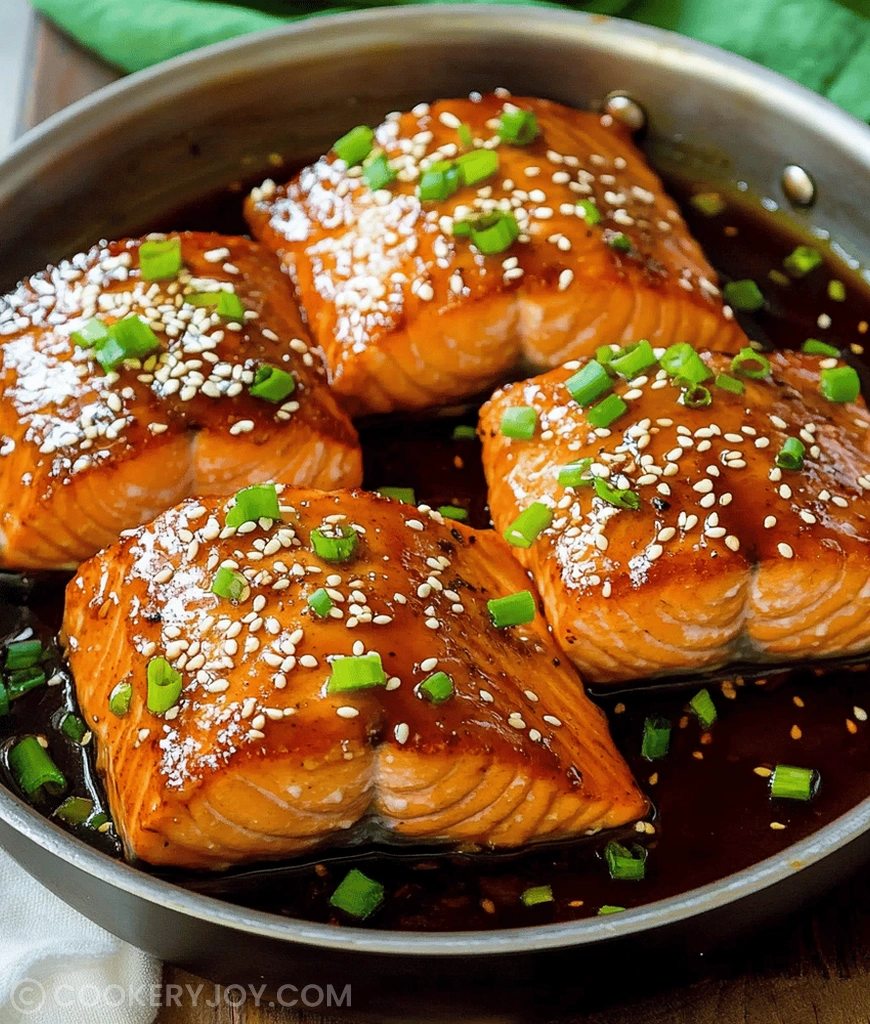
- Consider garnishing with toasted sesame seeds for visual appeal.
Teriyaki Salmon Recipe
- Prep Time: 10 minutes
- Cook Time: 15 minutes
- Total Time: 25-40 minutes (including marinating)
- Yield: 4 servings
- Category: Main Course
- Method: Pan-Seared
- Cuisine: Japanese-inspired
- Diet: Low Lactose
Description
A simple and flavorful recipe for Teriyaki Salmon, featuring salmon fillets marinated and cooked in a homemade teriyaki sauce made with soy sauce, mirin, sake, brown sugar, ginger, and garlic.
Ingredients
- 4 (6 oz) salmon fillets, skin on or off
- 1/2 cup soy sauce (low sodium preferred)
- 1/4 cup mirin
- 2 tablespoons sake (or dry sherry)
- 2 tablespoons brown sugar
- 1 tablespoon fresh ginger, grated
- 2 cloves garlic, minced
- 1 tablespoon cornstarch (mixed with 1 tbsp cold water for slurry)
- 1 tablespoon sesame oil (for cooking)
- Sesame seeds and chopped green onions for garnish (optional)
Instructions
- In a medium bowl, whisk together soy sauce, mirin, sake, brown sugar, grated ginger, and minced garlic. This is your teriyaki marinade/sauce.
- Place salmon fillets in a shallow dish and pour about half of the teriyaki sauce over them. Marinate in the refrigerator for 15-30 minutes (do not marinate for too long as the acid can cook the fish). Reserve the other half of the sauce.
- Heat sesame oil in a large non-stick skillet over medium-high heat.
- Remove salmon from marinade (discard used marinade) and pat dry with paper towels. Sear salmon skin-side down (if applicable) for 4-5 minutes until crispy. Flip and cook for another 3-5 minutes, or until cooked through and flakes easily with a fork (internal temperature 145°F/63°C). Set cooked salmon aside.
- While salmon cooks, pour the reserved teriyaki sauce into a small saucepan. Bring to a simmer over medium heat. Whisk in the cornstarch slurry and cook, stirring constantly, until the sauce thickens to your desired consistency.
- Plate the cooked salmon and generously spoon the thickened teriyaki sauce over each fillet.
- Garnish with sesame seeds and chopped green onions, if desired. Serve immediately with rice and steamed vegetables.
Notes
- Use low-sodium soy sauce for better control over the saltiness.
- Ensure the internal temperature of the salmon reaches 145°F (63°C) for safe consumption.
- Do not over-marinate the salmon, as the acidity can start to ‘cook’ the fish, leading to a mushy texture.