

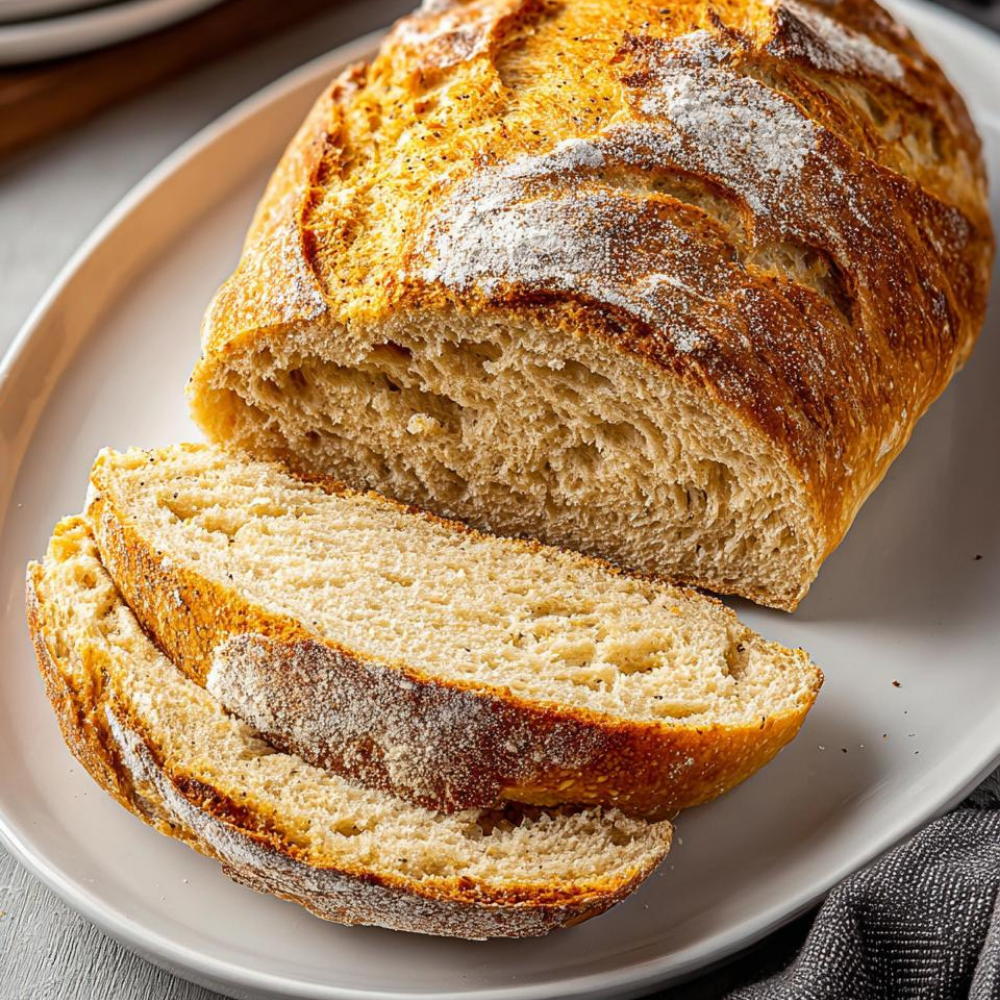
The warm aroma of coriander, fennel, and caraway fills the kitchen as this German bread bakes, creating a hearty loaf that’s perfect for sharing. With its nutty whole wheat base and subtle spice infusion, it offers a satisfying chew and golden crust that feels both comforting and authentic. Busy days call for simple recipes like this one, which come together with basic pantry staples.
I appreciate how this German bread fits into everyday routines, whether sliced for breakfast toast or alongside a quick soup for dinner. It stores well for several days, maintaining its flavor and texture when kept properly. Family members often request it for its wholesome taste that evokes traditional baking without the fuss.

Why We Love This Recipe
- Hearty and Aromatic: The blend of spices like caraway and fennel gives this German bread an authentic, inviting flavor that elevates simple meals.
- Simple for Busy Days: With straightforward steps and common ingredients, it’s ideal for home cooks juggling schedules while yielding a professional-quality loaf.
- Versatile Whole Grains: The mix of bread and whole wheat flours provides nutrition and a satisfying texture without needing specialty items.
- Make-Ahead Friendly: Bake it once for the week, as it reheats beautifully and freezes well for easy access.
Traditional German Bread
- Prep Time: 30 minutes
- Cook Time: 45 minutes
- Total Time: 3 hours
- Yield: 1 loaf (about 12 slices)
- Category: Bread
- Method: Baking
- Cuisine: German
- Diet: Vegan
Description
A hearty traditional German bread made with a blend of bread flour and whole wheat flour, infused with aromatic spices like coriander, fennel, and caraway for authentic flavor.
Ingredients
- 550 g (approximately 4 1/2 cups) bread flour
- 200 g (approximately 1 1/2 cups) 100% whole grain whole wheat flour
- 1 1/2 packets (about 2 1/4 teaspoons) rapid-rise dry yeast
- 3 tablespoons diastatic malt powder (optional, for improved crust and crumb)
- 3 tablespoons sunflower oil
- 2 teaspoons salt
- 2 teaspoons sugar
- 1/2 teaspoon ground coriander
- 1/2 teaspoon ground fennel
- 1/2 teaspoon ground caraway
- 470 ml (approximately 2 cups) lukewarm water
Instructions
- In a spacious mixing bowl, combine the bread flour, whole wheat flour, rapid-rise dry yeast, diastatic malt powder (if using), salt, sugar, ground coriander, ground fennel, and ground caraway. Whisk these dry ingredients together thoroughly.
- Create a well in the center of the dry ingredients and pour in the sunflower oil and lukewarm water.
- Mix all ingredients together by hand or with a stand mixer fitted with a dough hook until a shaggy dough forms. Continue to knead for 8-10 minutes until the dough is smooth, elastic, and no longer overly sticky.
- Form the dough into a ball and place it in a lightly oiled bowl, turning to coat. Cover the bowl with plastic wrap or a damp cloth and let it rise in a warm place for 1 to 1.5 hours, or until it has doubled in size.
- Gently punch down the risen dough to release the air. Shape it into a round or oval loaf, ensuring a taut surface.
- Place the shaped loaf onto a parchment-lined baking sheet or into a floured proofing basket. Cover again and allow to proof for another 30-45 minutes, or until noticeably puffy.
- Preheat your oven to 425°F (220°C). If using a Dutch oven, preheat it with the lid on for at least 30 minutes.
- Score the top of the risen loaf with a sharp knife or razor blade. If baking in a Dutch oven, carefully transfer the loaf into the hot Dutch oven. If on a baking sheet, place directly into the oven.
- Bake for 20-25 minutes with the lid on (if using a Dutch oven) or until a good crust has formed. Then, remove the lid (or continue baking uncovered) and reduce the temperature to 375°F (190°C). Continue baking for an additional 20-30 minutes, or until the crust is deeply golden brown and the internal temperature reaches 200-210°F (93-99°C).
- Allow the bread to cool completely on a wire rack before slicing and serving. This allows the internal structure to set.
Notes
- Diastatic malt powder is optional but recommended for a better crust and crumb structure.
- The bread can be baked in a Dutch oven for a steamier environment and crispier crust, or on a baking sheet.
- Ensure the water is lukewarm (around 100-110°F or 38-43°C) to activate the yeast without killing it.
- Cooling completely is essential to prevent a gummy texture inside the loaf.
Ingredients to make German Bread
These ingredients come together to create a robust, spiced loaf that’s true to German baking traditions. Opting for high-quality flours and fresh spices enhances the nutty depth and aromatic profile, making every slice more flavorful.
- Bread flour – provides structure and a chewy crumb for the loaf’s hearty base.
- Whole wheat flour – adds nutty flavor and fiber, giving the bread its wholesome, traditional character; use 100% whole grain for best results.
- Rapid-rise dry yeast – activates quickly for reliable rising without long waits.
- Diastatic malt powder – optional addition that improves crust color and crumb tenderness (or skip for a simpler version).
- Sunflower oil – keeps the dough soft and adds a subtle richness.
- Salt – balances flavors and strengthens the dough’s gluten.
- Sugar – feeds the yeast and enhances subtle sweetness.
- Ground coriander – infuses warm, citrusy notes for authentic spice.
- Ground fennel – contributes a mild licorice-like aroma that complements the other seeds.
- Ground caraway – delivers the classic earthy, slightly peppery taste of German bread.
- Lukewarm water – hydrates the dough gently to activate yeast without overheating.
How to Make German Bread
Step 1: Combine Dry Ingredients
In a large mixing bowl, whisk together the bread flour, whole wheat flour, rapid-rise dry yeast, diastatic malt powder if using, salt, sugar, ground coriander, ground fennel, and ground caraway until evenly distributed. This ensures the spices infuse throughout the dough for balanced flavor. Take a moment to smell the aromatic blend before proceeding.
Step 2: Add Wet Ingredients and Mix
Create a well in the center of the dry mixture and pour in the sunflower oil and lukewarm water. Stir by hand or with a stand mixer using a dough hook until a shaggy dough forms, then knead for 8-10 minutes until smooth and elastic. The dough should pull away from the bowl sides without sticking excessively.
Step 3: First Rise
Shape the kneaded dough into a ball and place it in a lightly oiled bowl, turning to coat all sides. Cover with plastic wrap or a damp cloth and let it rise in a warm spot for 1 to 1.5 hours until doubled in size. This step develops the bread’s structure and subtle spice notes.
Step 4: Shape the Loaf
Gently punch down the risen dough to deflate it, then form it into a round or oval loaf with a smooth, taut surface. Place on a parchment-lined baking sheet or in a floured proofing basket. Cover loosely and proof for 30-45 minutes until puffy.
Step 5: Preheat and Score
Preheat the oven to 425°F (220°C), and if using a Dutch oven, heat it with the lid on for at least 30 minutes. Score the top of the loaf with a sharp knife or razor blade to allow expansion. For a baking sheet method, simply place it directly in the oven.
Step 6: Bake the Loaf
Transfer the scored loaf to the hot Dutch oven if using, or onto the baking sheet; bake covered for 20-25 minutes until a crust forms, then uncover or continue uncovered while reducing heat to 375°F (190°C) for another 20-30 minutes. Aim for a deeply golden crust and an internal temperature of 200-210°F (93-99°C). The Dutch oven creates steam for a crispier exterior, while the sheet method works well for everyday baking.
Step 7: Cool Completely
Remove the bread from the oven and transfer to a wire rack to cool fully before slicing. This prevents a gummy interior and allows flavors to settle. Patience here ensures the best texture in every slice.
Pro Tips for Success
- Use Lukewarm Water: Keep water at 100-110°F to gently activate the yeast without killing it, ensuring a strong rise.
- Add Malt Powder: Include diastatic malt if available for enhanced crust color and softer crumb, but it’s optional for good results.
- Choose Baking Method: Opt for a preheated Dutch oven for steamier, crispier crust, or use a baking sheet for simpler cleanup.
- Cool Fully: Let the loaf rest on a wire rack until room temperature to avoid a dense or gummy middle.

How to Serve German Bread
Garnishes
I like to top slices with a pat of softened butter that melts into the warm crumb, or sprinkle on fresh chopped herbs like parsley for a bright contrast. A drizzle of honey brings out the spices’ warmth, adding just enough subtle sweetness without overpowering the hearty base.
Side Dishes
Pair this German bread with a creamy potato soup for a cozy meal, or serve alongside sauerkraut and cheeses for an authentic charcuterie spread. It also complements roasted vegetables, soaking up their juices nicely for a balanced, satisfying plate.
Creative Ways to Present
For family gatherings, I slice the loaf thick and arrange it on a wooden board with dips like mustard or olive oil infused with garlic. Toasting wedges creates a crisp texture that’s perfect for open-faced sandwiches, making it feel fresh and inviting.
Make Ahead and Storage
Storing Leftovers
I wrap cooled slices tightly in plastic wrap or store the whole loaf in a paper bag inside a bread box, where it stays fresh for up to 4-5 days at room temperature. For longer fridge storage, use an airtight container to prevent drying out, though it may firm up slightly.
Freezing
Slice the fully cooled German bread and freeze portions in a freezer-safe bag for up to 2 months, removing as much air as possible. This method keeps the spices vibrant, and I thaw slices overnight in the fridge for quick use.
Reheating
I reheat slices in a toaster oven at 350°F for 3-5 minutes to restore the crust’s crispness, or microwave wrapped in a damp paper towel for 20-30 seconds to avoid toughness. Covering with foil during oven reheating prevents the edges from over-drying while warming evenly.